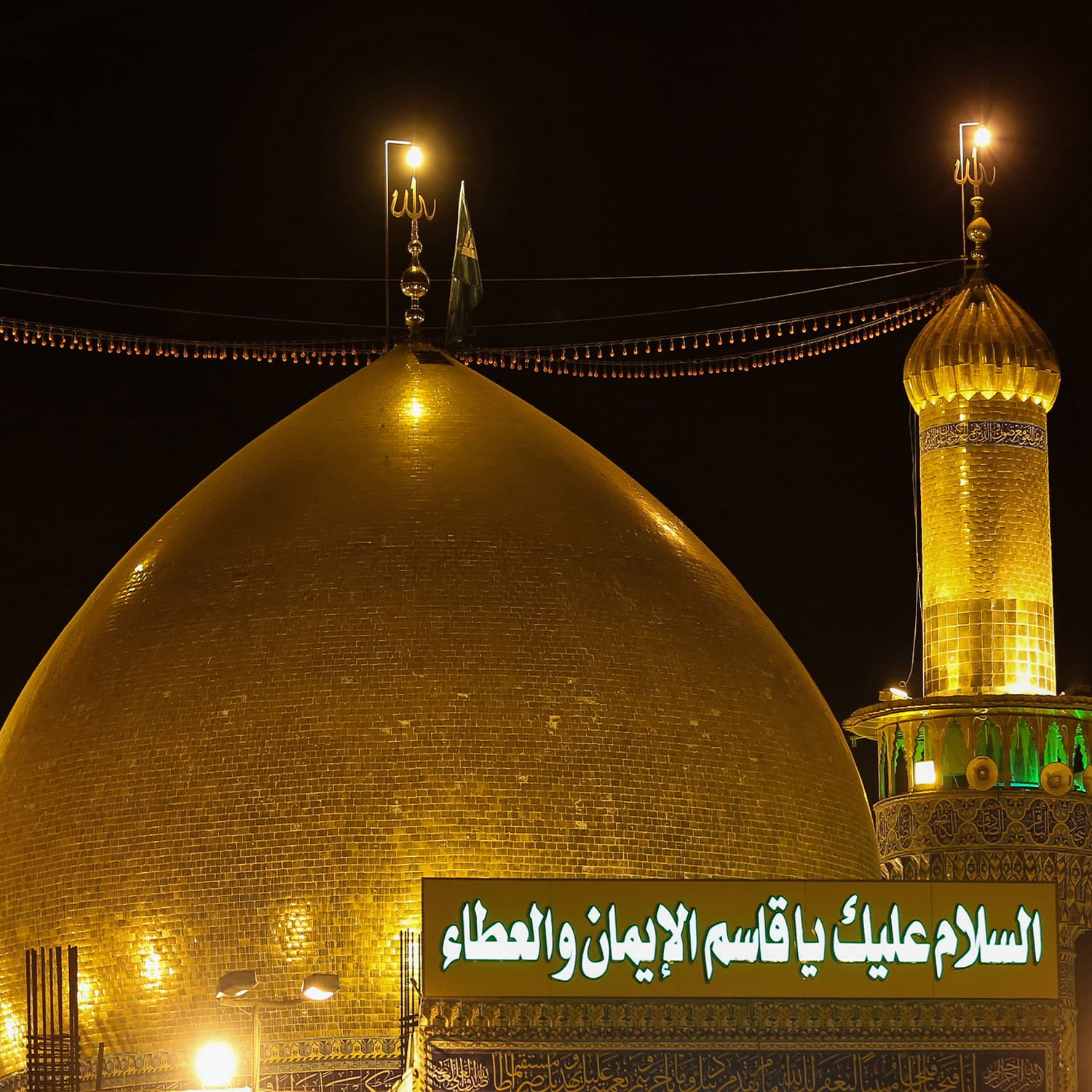
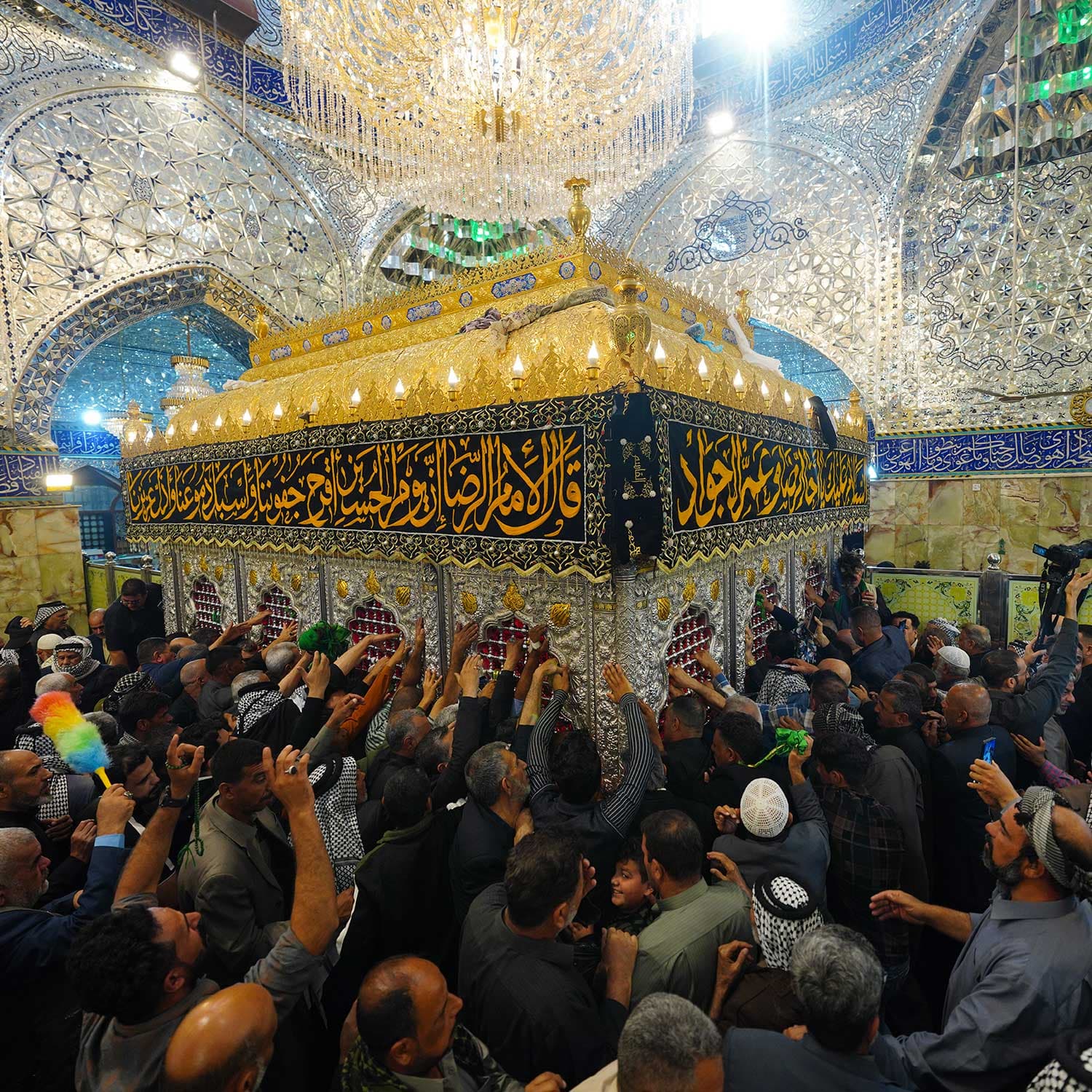
Shrine of Qasim ibn Musa al-Kazim
Address
Babil Province, Iraq – Al-Qasim City, Main Street, near Jarbu'iyah River, city center, Shrine of Qasim ibn Musa al-Kazim
About
Shrine of Qasim ibn Musa al-Kazim in Al-Qasim City, Iraq | Visiting the Brother of Imam al-Ridha (A) in the Heart of Babil Province
✅ Brief Introduction to Qasim ibn Musa al-Kazim (A)
Qasim (peace be upon him) was one of the sons of Imam Musa ibn Ja’far al-Kazim (A) and the full brother of Imam al-Ridha (A) and Lady Fatima al-Ma’suma (S). Renowned for his piety, wisdom, and noble character, Qasim (A) holds a distinguished status among the children of Imam al-Kazim (A), and was deeply loved and respected by his father.
✅ Geographic Location of Al-Qasim and Access for Pilgrims
The city of Al-Qasim lies in Iraq’s Babil Governorate, located between the cities of Hillah and Diwaniyah—35 km south of Hillah and 45 km from Diwaniyah. It is strategically placed along the sacred route connecting Najaf and Karbala, making it an accessible and spiritually enriching stop for pilgrims heading between the two holy shrines.
✅ History and Emergence of the Shrine
Originally, Qasim (A) was buried in a fertile agricultural area known as “Shusha” or “Sura.” Over time, as devotion to him grew, the area developed into what is now known as the city of Al-Qasim. Today, the shrine stands at the heart of the city, elevated approximately two meters above ground level, symbolizing its central spiritual significance.
✅ Architecture and Structure of the Shrine
The shrine features a noble dome and a revered tomb that has seen various restorations and expansions over the years. Although smaller and more modest than Iraq’s major shrines, the structure exudes a calm and spiritual ambiance. The relative quietness of the site allows for a more personal and introspective pilgrimage experience.
✅ Virtue and Status in Islamic Narrations
In the renowned Shia text Al-Kafi, Imam Musa al-Kazim (A) is reported to have said: “If the matter (of Imamate) were up to me, I would have appointed Qasim as my successor—but the matter belongs to Allah.” This reflects the Imam’s deep love and high regard for Qasim (A), even though the divine decision designated Imamate for Imam al-Ridha (A).
In another narration, the Imam instructs Qasim to recite Surah As-Saffat at the deathbed of a dying son—indicating Qasim’s spiritual depth and familiarity with the Qur’an.
✅ Migration and Passing of Qasim (A)
Historical accounts suggest that during the oppressive reign of Harun al-Rashid, Qasim (A) migrated eastward to escape persecution. He found refuge among a noble Arab tribe, married into the family, and fathered a daughter. Before his passing, he gave detailed instructions for his burial and for his daughter’s return to Medina—where his mother would eventually recognize the child by her features.
✅ Scholarly Emphasis on Visiting the Shrine
Renowned scholar Sayyid Ibn Tawus mentioned the recommended visitation (ziyarah) of Qasim (A), ranking it alongside visits to noble figures like Abul-Fadl al-Abbas and Ali al-Akbar (A). Scholars such as Allama Majlisi, Shaykh Abbas Qummi, and Sayyid Hasan al-Sadr also emphasized the importance of visiting his shrine. Even Imam Khomeini (r) is reported to have visited the shrine during his time in Najaf.
✅ Spiritual Atmosphere and Pilgrim Experience
Visitors often describe the shrine’s atmosphere as serene and spiritually moving. The calm surroundings offer a unique space for personal reflection, supplication, and closeness to the Ahl al-Bayt (A). The shrine is equipped with basic amenities, and the roads from Najaf and Karbala to Al-Qasim are paved and safe for travel.
✅ Conclusion and Travel Tip
If you are traveling between Najaf and Karbala, make sure to stop in Al-Qasim and visit this sacred site. The shrine of Qasim ibn Musa al-Kazim (A) offers a profound spiritual experience and an opportunity to connect with a noble figure of the Prophet’s household whose light shines in humility and peace.