Taq Kasra (Arch of Ctesiphon)
Address
Iraq, Diyala Province, 40 kilometers southeast of Baghdad, eastern bank of the Tigris River, ancient city of Ctesiphon (al-Mada’in)
About
Taq Kasra (Arch of Ctesiphon)
Taq Kasra: A Tale of Glory Buried Beneath the Dust
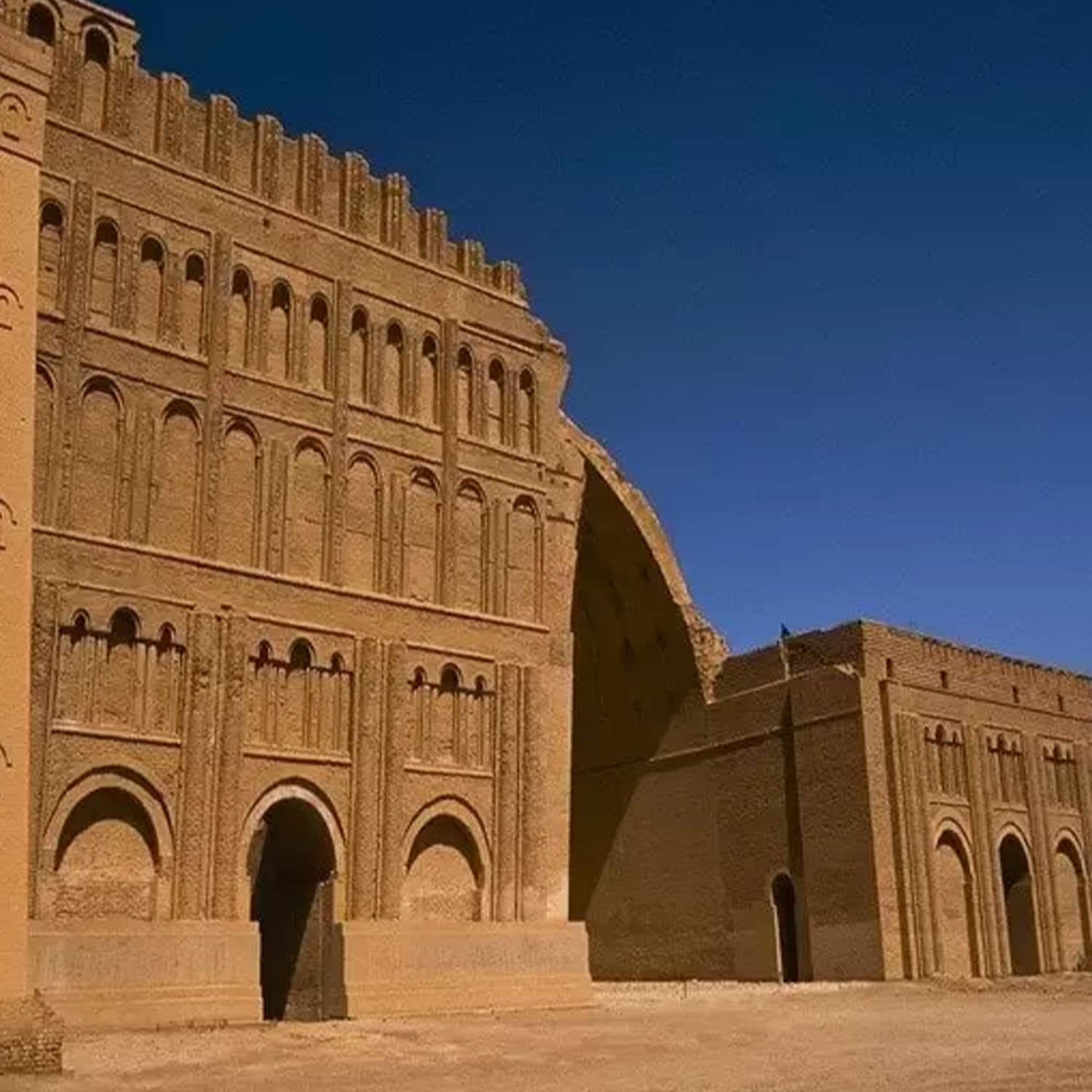
South of Baghdad, along the eastern banks of the Tigris River, the whispers of history still echo. There, a towering ruin stands—a remnant of an empire that once ruled vast lands. This is Taq Kasra: the tallest mudbrick arch in the world and the last surviving trace of the great Sasanian palace in Ctesiphon. Once the epicenter of royal power and celebration, the arch now bears silent witness to a magnificent past.
🏛 Historical Overview: Who Built the Arch?
Known also as the Arch of Ctesiphon or Iwan of Khosrow, Taq Kasra is widely believed to have been commissioned by the Sasanian king Khosrow II. However, other accounts attribute its construction to Shapur I or Khosrow Anushirwan. Regardless, the structure showcases Persian architectural genius enriched by Roman, Greek, and Parthian influences.
📐 Architectural Marvel: A Record-Breaking Arch
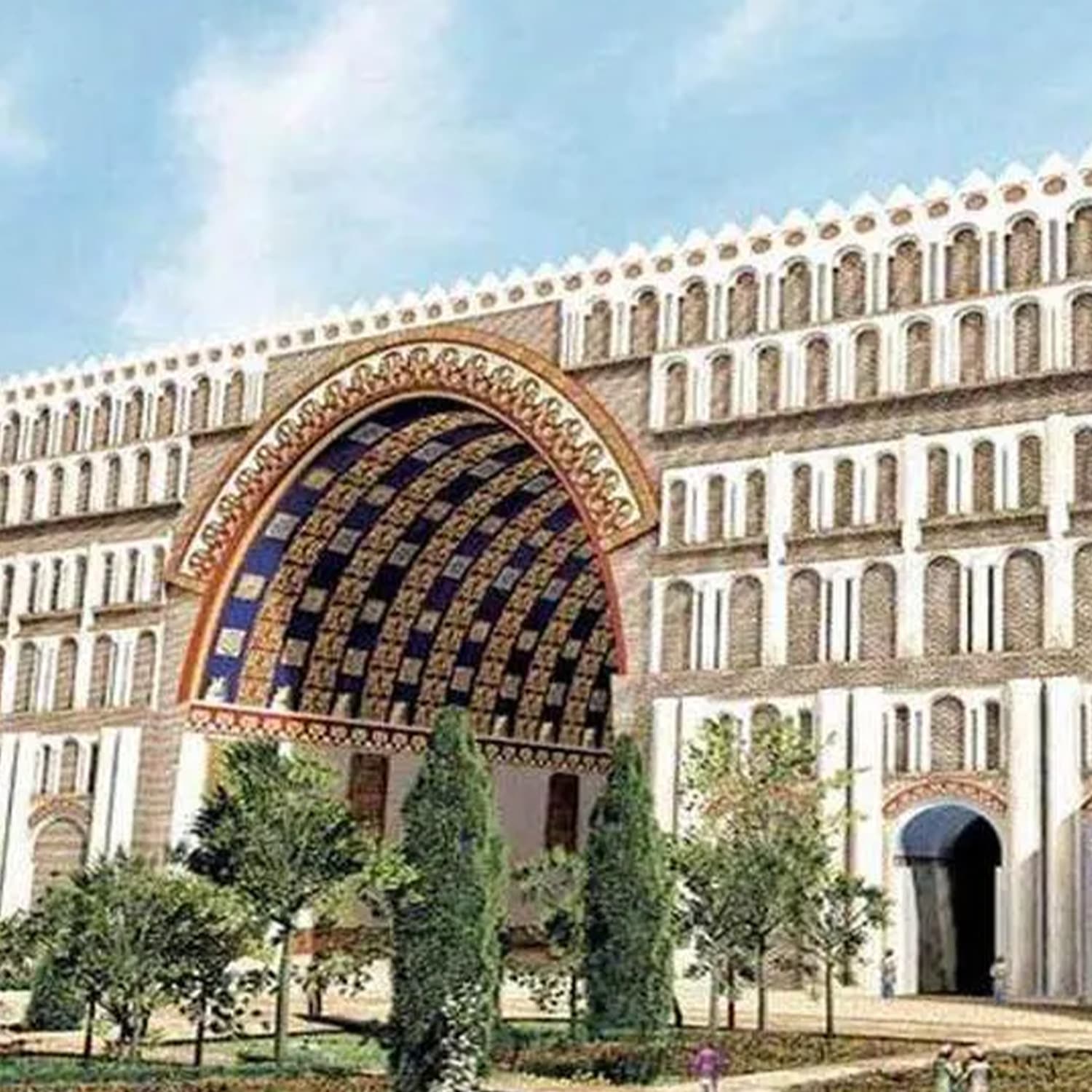
Taq Kasra measures approximately 37 meters in height, 25 meters in width, and 43 meters in depth. Built using mudbrick and gypsum, the arch relied on nested vaults rather than wood—a clever adaptation to material scarcity. The base pillars, sometimes 7 meters thick, were designed to support tremendous weight.
The arch served as the ceremonial entrance to a royal hall where Nowruz and other public celebrations were held. A grand golden curtain once hung from its height, symbolizing imperial power.
🕌 Spiritual and Historical Intersection
Located near the shrine of Salman al-Farsi, a revered companion of Prophet Muhammad (PBUH), the site attracts visitors drawn both to its historic significance and its spiritual surroundings.
⚠️ Decay and Neglect: The Present Condition
Much of the structure has collapsed due to floods, warfare, and prolonged neglect. In 2021, another section fell, with no major restoration efforts underway. Despite popular rumors, Taq Kasra is not listed as a UNESCO World Heritage Site.
🌙 Legends and Stories
Some traditions claim that 14 merlons of the arch collapsed at the time of Prophet Muhammad’s birth—an omen of a new era. Another tale recounts that the king had the structure bent to avoid demolishing an old woman’s home, honoring justice. Whether fact or myth, these stories add soul to the site.
🏨 Visiting the Site: Access and Accommodation
Located in a remote area outside Baghdad, visiting Taq Kasra requires private transport, with recommended return before 4 p.m. Nearby accommodations are mostly in Baghdad, including Babylon Hotel, Al-Mansour Hotel, Grand Crystal, and others.
✨ Conclusion
Taq Kasra is more than a ruin—it is a living chapter of human civilization, a chance to stand face-to-face with the greatness of a bygone empire. For travelers, it offers a moment of wonder, reflection, and connection with history.