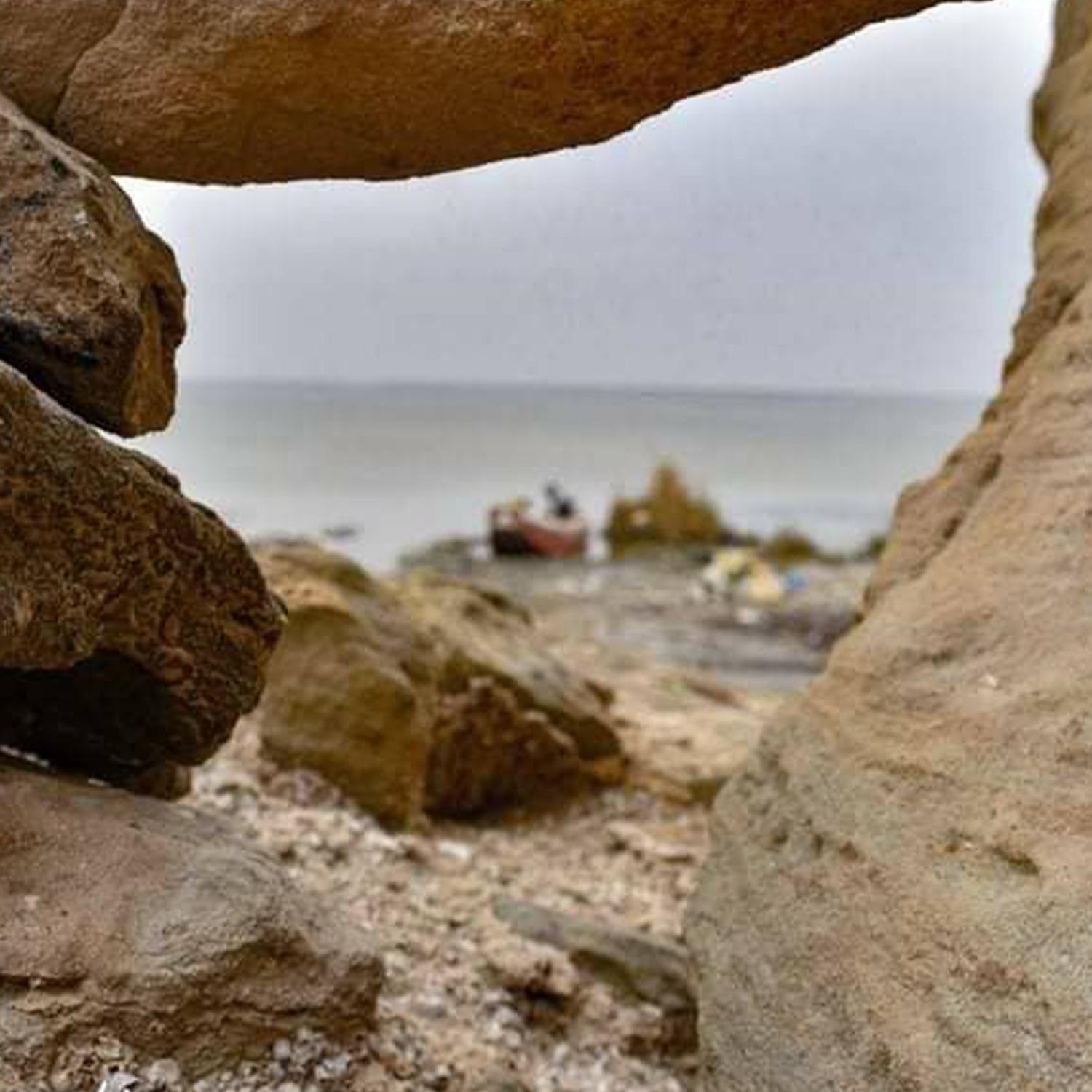
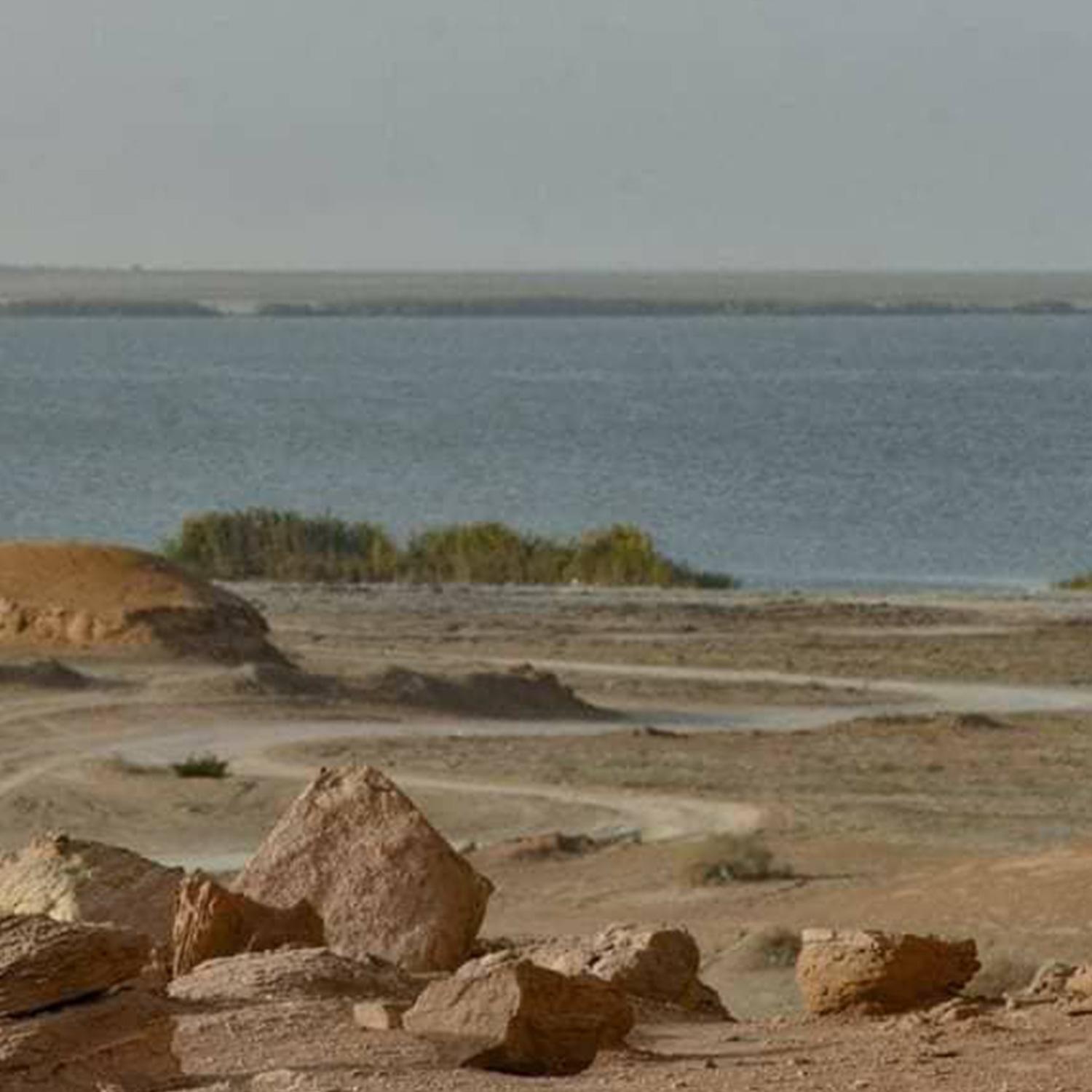
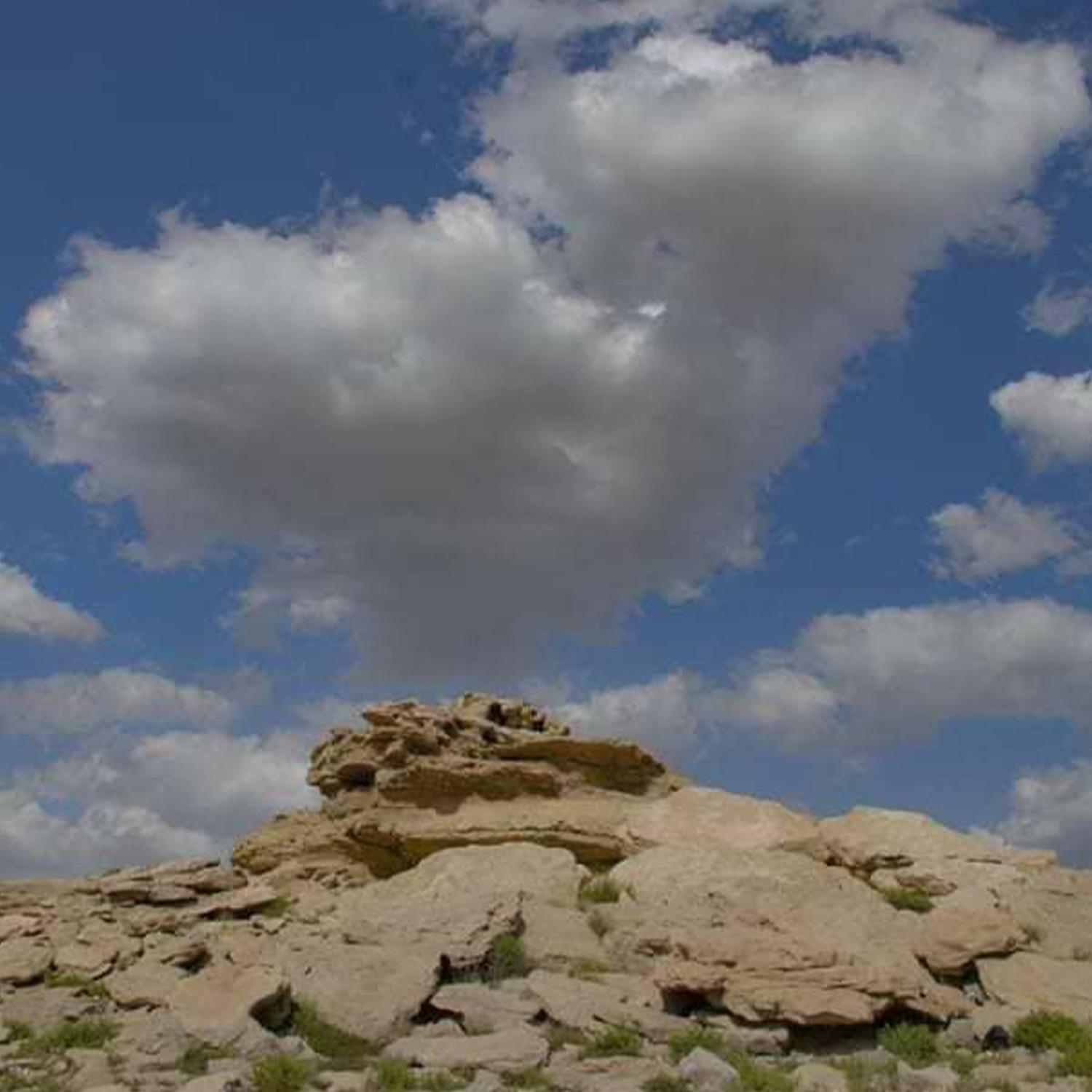
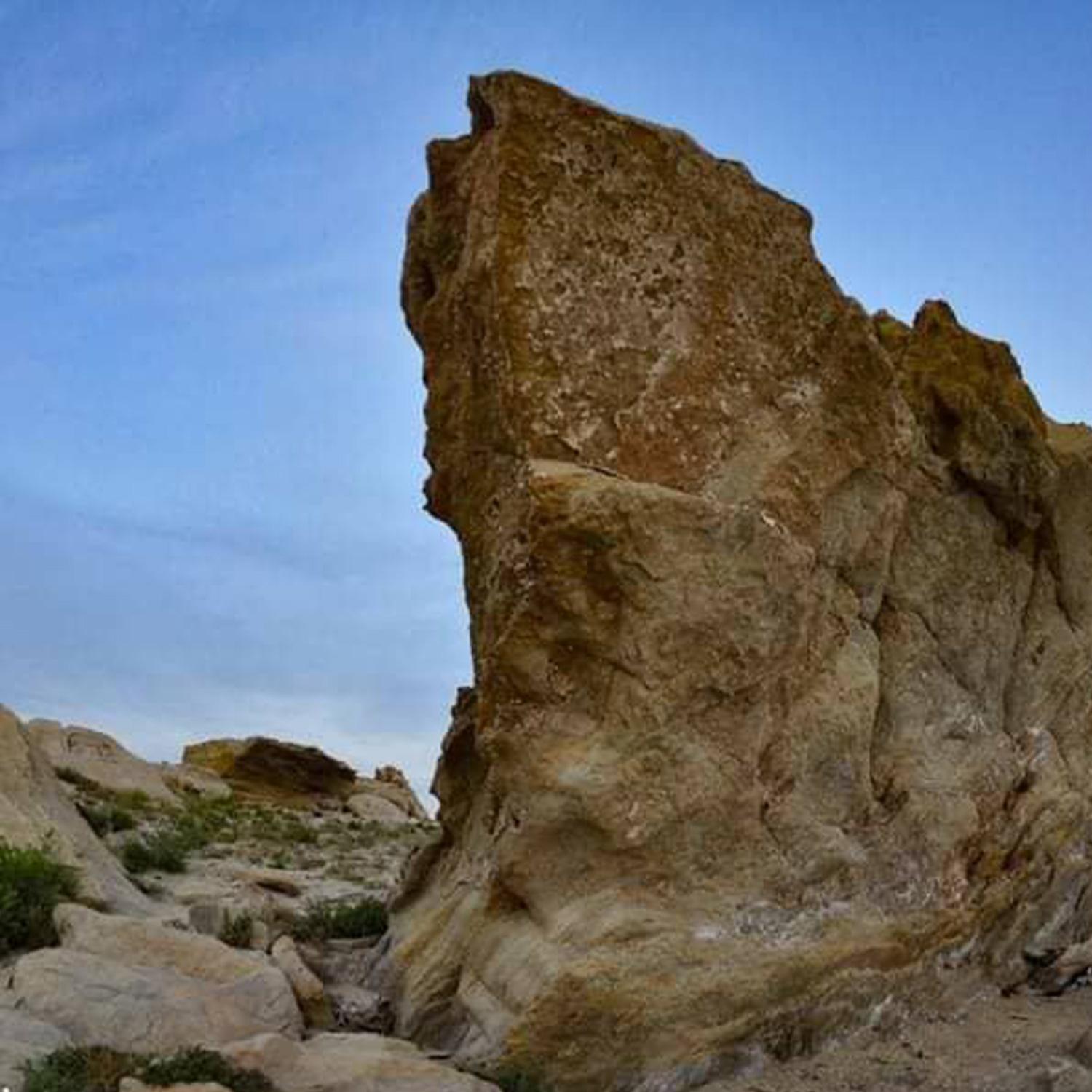
Lake Razzaza, Karbala
Address
Iraq, Karbala Governorate, west of Karbala city, Lake Razzaza
About
Lake Razzaza – A Tranquil Oasis Near Karbala
In the arid lands of Iraq, beneath the scorching sun, lies a shimmering blue expanse that defies the desert's thirst: Lake Razzaza, also known as Lake Milh or the Salt Lake.
Covering an area of approximately 1,810 square kilometers, it is Iraq’s largest lake and the second-largest natural lake in the country. Located west of the holy city of Karbala, it straddles the border with Al-Anbar Province, offering visitors a serene escape after their spiritual journey.
📍 Location & Access
Lake Razzaza is less than an hour’s drive from central Karbala. It can be reached via the dirt roads branching off from the main routes toward Nukhaib or Ramadi. Its proximity makes it an ideal side trip for pilgrims seeking nature and reflection.
✨ Natural & Climatic Features
Lake Razzaza is a shallow, saline lake fed by canals from the Euphrates River. During wet seasons, it attracts migratory birds such as flamingos and pelicans, turning its shores into a natural haven.
However, in recent years, falling water levels and climate change have led to increased concerns over its ecological health and sustainability.
🕰 History & Formation
Initially established as a natural reservoir to control seasonal flooding from the Euphrates, Lake Razzaza was also the focus of agricultural projects during Iraq’s Ba’athist era—most of which remain incomplete.
Its alternative name, Lake Milh, is derived from the high salinity of its waters and is commonly used in Western sources.
🧭 What to Expect When You Visit
- Absolute desert silence and gentle breezes off the water
- Opportunity to witness migratory birds in spring and fall
- Ideal setting for photography, picnics, and scenic rest stops
- Occasional sighting of local Bedouin camps near the lake
⚠ Environmental Concerns
Once a major freshwater reserve, Lake Razzaza now faces challenges like evaporation, pollution, and mismanagement. Environmental activists have warned of its possible disappearance without intervention and sustainable practices.
ℹ Visitor Tips
- Best time to visit: Spring and Autumn
- Bring plenty of drinking water and food
- Avoid visiting during the summer due to extreme heat
- Do not litter; help preserve this natural treasure
✨ Final Thoughts
Lake Razzaza is not just a body of water — it’s a living landscape of contrast, peace, and reflection in the heart of Iraq. After the soulful intensity of Karbala, this tranquil lake offers a different kind of sacred experience.
If your journey takes you to Karbala, let Lake Razzaza be your breath of nature.